
Full bulletin: https://content.govdelivery.com/accounts/UTDWR/bulletins/42c02d5
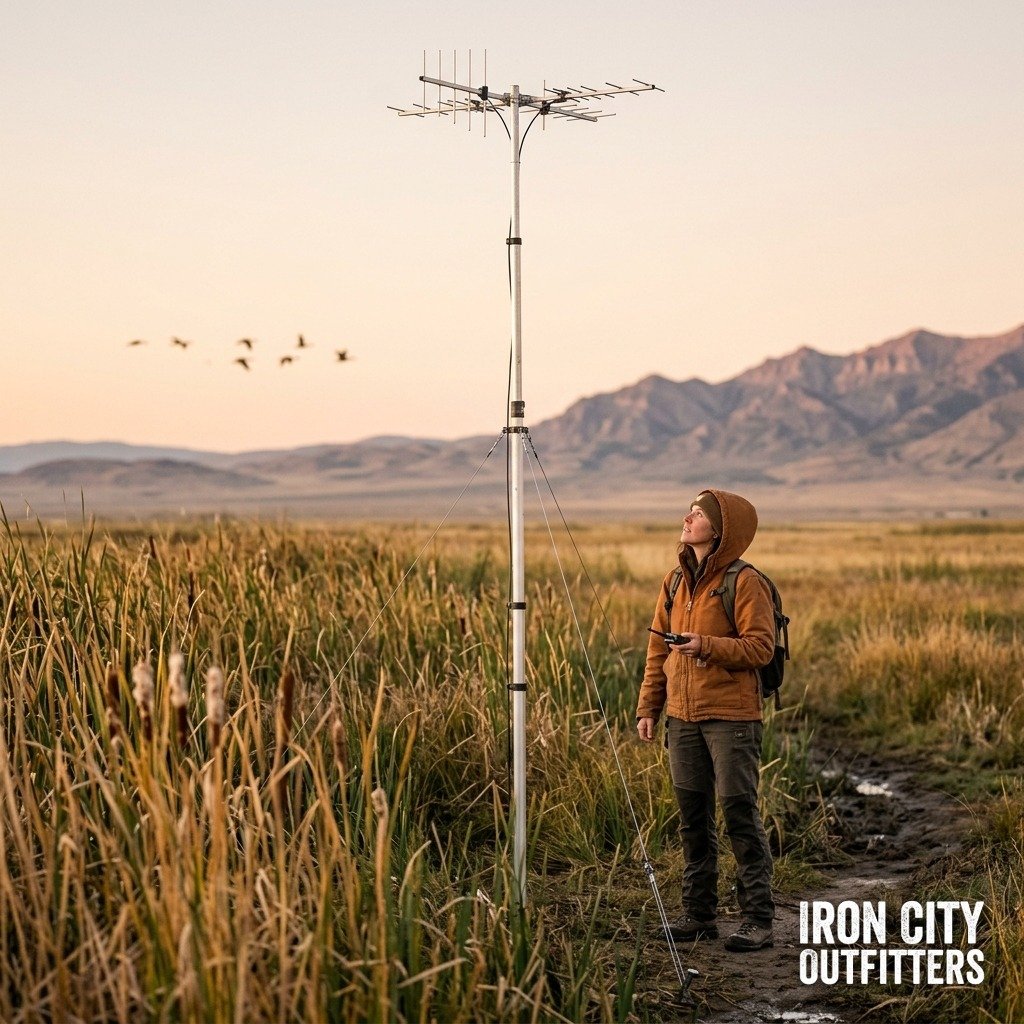
The Utah Division of Wildlife Resources is opening its Wildlife Seminar Series this Saturday, Sept. 26, with a session on Motus, the international research network researchers use to track the movements of birds, bats, and even insects across the state and continent. The session runs from 10 to 11 a.m. and is open to the public through registration on Eventbrite.
Motus operates as a coordinated system of radio-telemetry receiving stations that detect small transmitters attached to migratory wildlife, building a shared dataset used by agencies and universities across North America. For anyone who spends time afield in Utah, the technology behind the seminar is directly tied to the timing and location of the animals being pursued: migration corridors, staging areas, and seasonal movement windows are exactly what this kind of tracking maps out.
Wildlife Tracking Coordinator Trischa Thorne leads the seminar, covering how the division currently deploys Motus technology in Utah and how improvements in tracking hardware are expanding what researchers can learn about where wildlife travel and why. The presentation also addresses how that movement data feeds directly into conservation and management decisions, including habitat protection along known flyways and stopover sites that matter for waterfowl, upland birds, and other migratory species hunters and anglers track through the calendar year.
Understanding migration timing has practical value beyond curiosity. Waterfowl seasons, upland bird hunts, and even fish behavior in migratory corridors are all shaped by the same seasonal movement patterns this research documents. A clearer picture of when and where wildlife moves through Utah translates into better-informed expectations for anyone planning a hunt or a trip afield this fall.
The seminar is free and open to interested members of the public, with registration handled through the division’s Eventbrite listing linked in the full bulletin above. Additional sessions are expected to follow as part of the ongoing Wildlife Seminar Series, with future topics to be announced through the same channels.
Assisted by AI; content may contain inaccuracies.